A Narrative Report
By Maitri Singh
In the Shadow of Coal Dust
The story of Just Transition and Economic Diversification of Jharkhand’s two districts- Bokaro and Ramgarh
Coal dust preserves within my cells
an agony that would otherwise be homeless.
These mines are my inheritance,
as they were for my ancestors.
My spine shivers as I step in.
Above the horizon still bleeds.
Why do the living exhume pitch black ghosts?
Whose tribe was this now fossilized into coal?
What do we live for? What does one die for?
–An excerpt from Smita Sahay’s poem ‘Light, Again.’
The above poem, “Light, Again,” reflects on the legacy of coal mining in India and points to the physical and emotional burden of the natives working in these mines, especially the Adivasi communities. The poet speaks of the pain of labour, exploitation, and the search for purpose amidst the darkness. It is indeed true that when you step into the depths of a coal mine, it feels as though the walls themselves hold the memories of all that has happened—centuries of labor, hardship, migration, endurance and, most importantly— change. Coal, which is still a crucial resource for fueling economies and livelihoods, seems to carry the echoes of those who have toiled in its presence, their stories fossilized in the black veins that run through the earth. These mines reveal a history of transition—one that now stands on the precipice of change. As questions of environmental sustainability, health, and fair living and working conditions begin to shape the 21st century, the coal ecosystem finds itself at a critical juncture. The mines, once a symbol of industrial progress, now face a future where the very cost of their existence is being re-examined and rightly so.
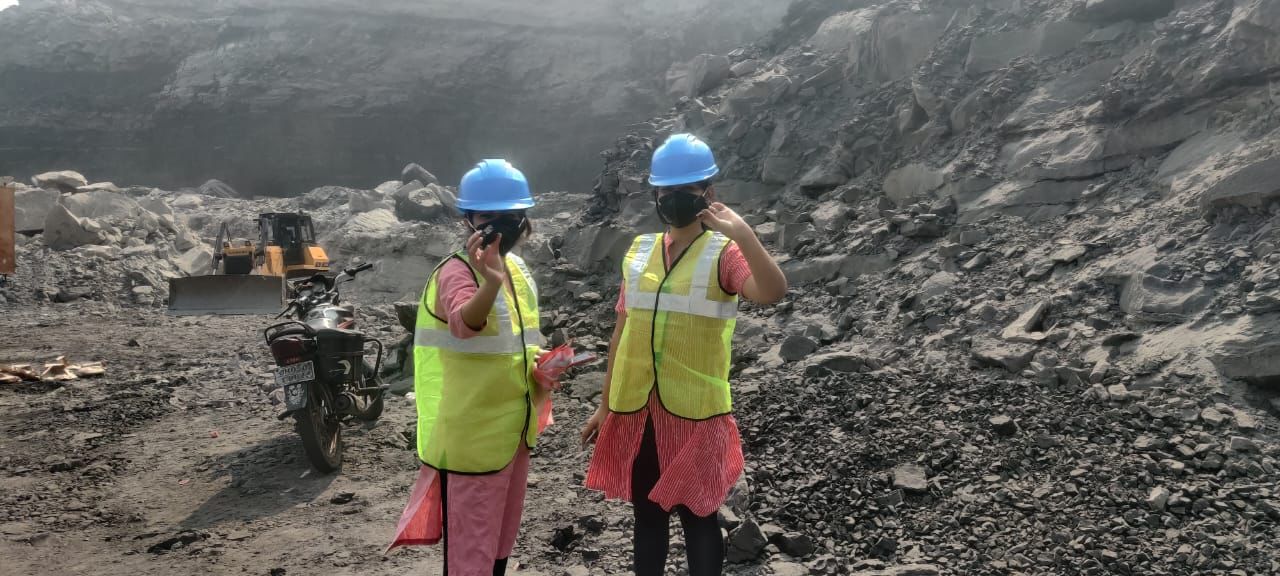
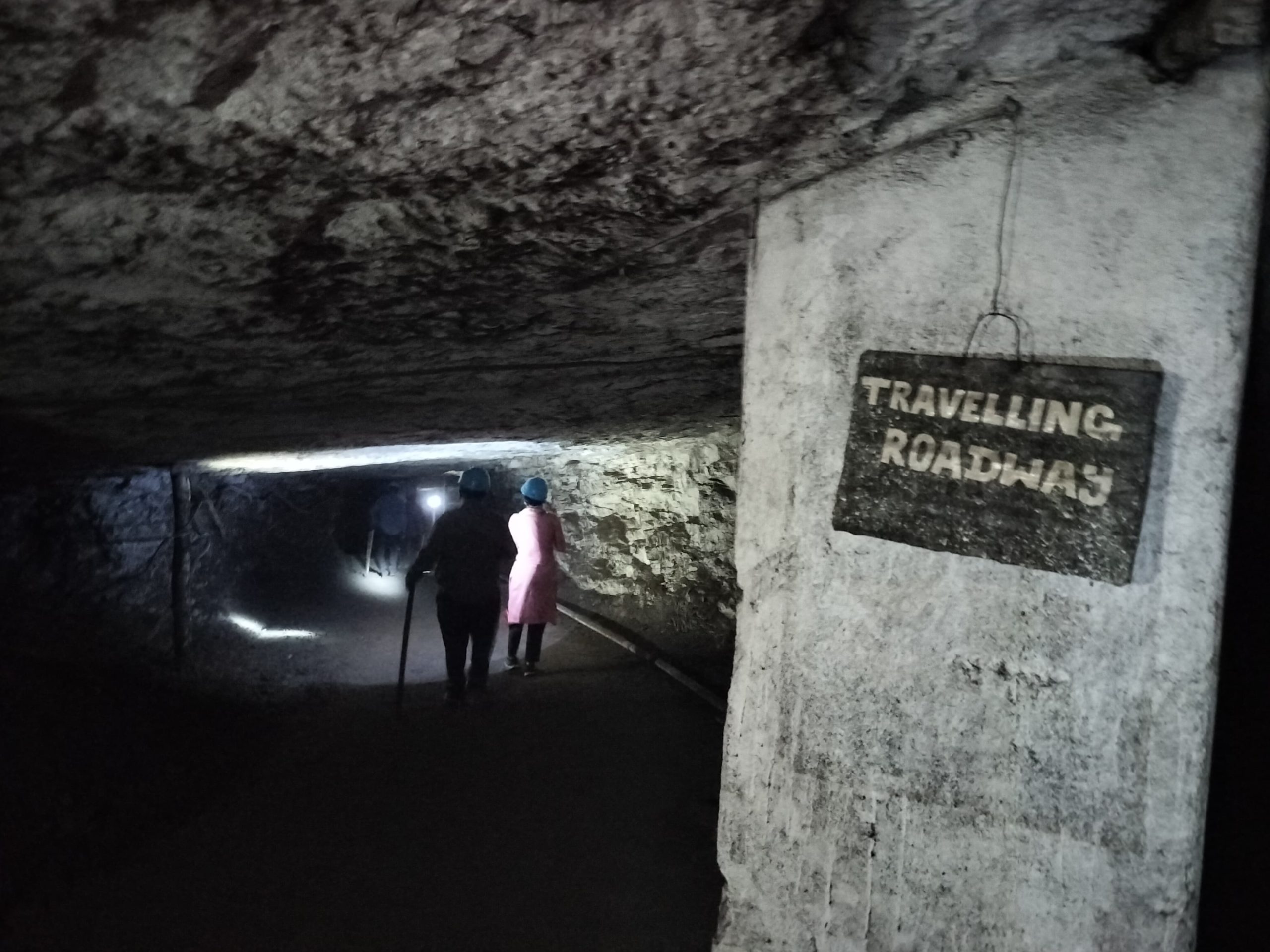
It was November last year when I visited some of Jharkhand’s oldest underground and over-pit mines. The ones I visited were in Bokaro, a district of Jharkhand, where I had travelled to work on a research project concerning ‘Just Transition’ and ‘Economic Diversification’ of two coal-dependent districts – Bokaro and Ramgarh during the coal phase down. The concept of Just Transition is relatively recent and came into existence during the 1970s labour movement. It was developed by North American trade unions to create a framework for addressing the social and economic interventions needed to support workers during the shift from high-carbon to low-carbon, climate-resilient economies. This term is widely attributed to US labor and environmental activist Tony Mazzocchi, who advocated for a “Superfund for Workers”. This idea was inspired by a federal program for cleaning up environmental toxic waste. This fund aimed to provide minimum income and educational benefits to workers who were exposed to harmful chemicals at the workplace to help them transition from hazardous jobs. When environmentalists objected to the term ‘superfund’ due to its negative connotations, it was renamed ‘Just Transition’. Later, it was included in the preamble of the 2015 Paris Agreement and adopted in global, national, and subnational policy circles.
The International Labour Organization (ILO) defines Just Transition as “greening the economy in a way that is as fair and inclusive as possible to everyone concerned, creating decent work opportunities and leaving no one behind.” While this offers a solid foundation, different countries and regions imagine Just Transition differently. Simply put, just transition means leaving no one behind in the transition from non-renewable energy. This would entail equipping everyone impacted by the current system with the knowledge, education, and support they need to successfully transition from coal without losing their livelihood, income, and homeland. However, amidst all this, the most important question remains: are we really shifting to new energy models? While climate diplomats at COP28 in Dubai debated phasing out fossil fuels last December, India faced an urgent energy challenge: it had to rapidly increase its power capacity. On December 11, the Indian government announced plans to nearly double coal production to 1.5 billion tons by 2030 to meet growing demand. Later, on December 22, Power Minister Raj Kumar Singh outlined plans to add 88 gigawatts of thermal power plants by 2032, the majority of which will burn coal. Therefore, on the one hand, there is a lot of investment in coal—one of the world’s dirtiest fuel; on the other hand, the country’s leaders have been optimistic about its path to net zero, promising that 50% of its power generation will come from renewables by 2030, and 100% by 2070. Nevertheless, in the process of an energy transition, the coal phase-down will mostly impact the local communities that are heavily reliant on coal. In order to make just policies concerning the same, much work is required to assess the dependencies at the sub-national level in major coal-producing areas and ensure a bottom-up approach.
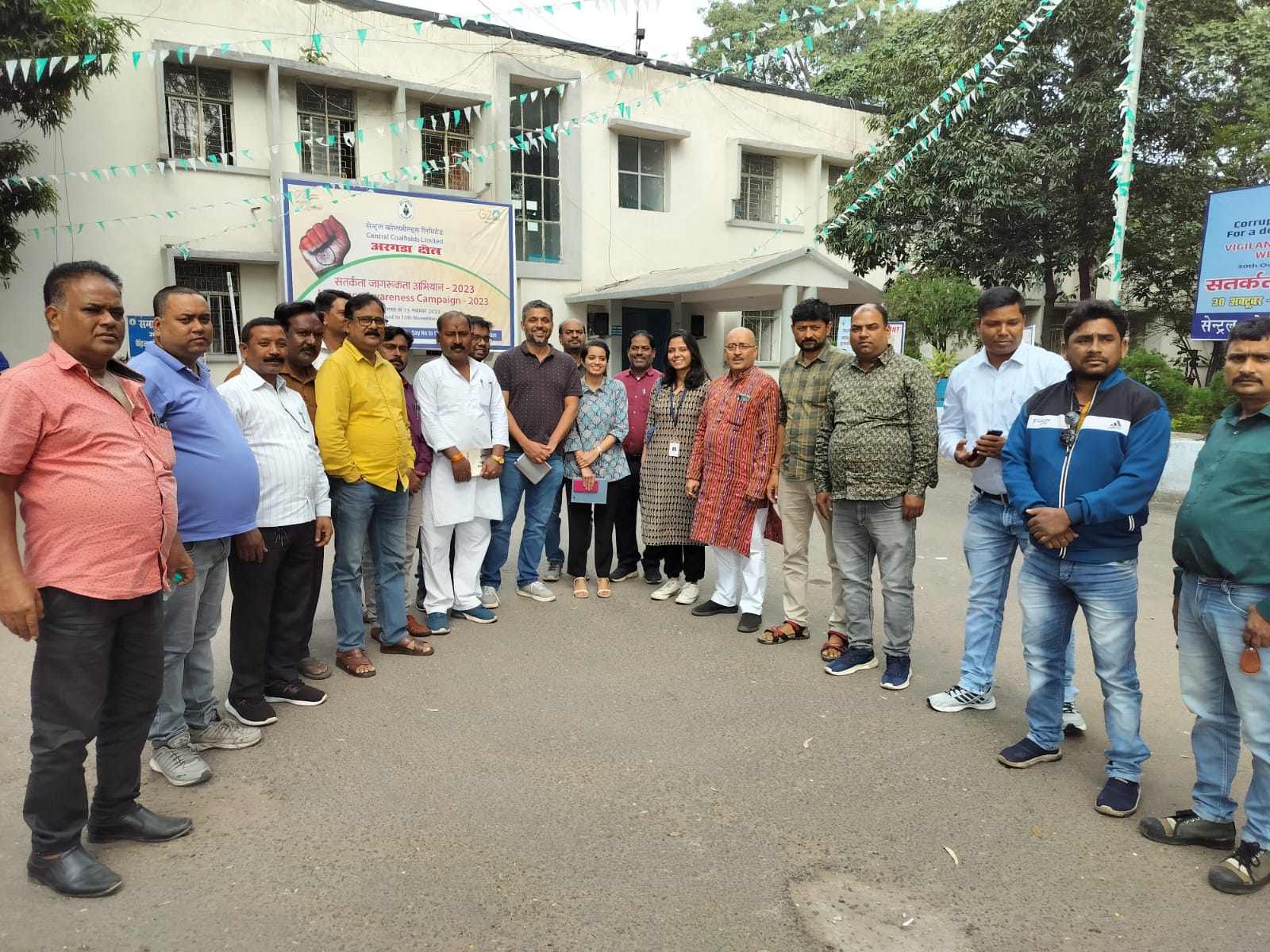
After I arrived in Jharkhand, the immediate scene was striking, towering piles of coal, roads coated with a thick layer of black coal dust, and workers struggling under the weight of coal-laden bags attached to their cycles, barely able to maintain speed. Despite my years in Delhi’s dense air, I found myself gasping for breath. We immediately took out our N-95 masks that we were advised to bring, yet the sight around us was both fascinating and troubling—shop owners cooking over open coal fires, inhaling the thick smoke instead of oxygen. A sudden thought struck me —if coal is so integral to basic activities like making tea, how can a state like this ever transition away from it? Within moments, I saw a convoy of trucks filled with coal passing by, which showed the sheer scale of the industry’s grip on the region. The sight was overwhelming, and it made me wonder: while I knew the day would come when coal would no longer dominate, were the locals aware of this shift? If so, how much and what are their thoughts, their plans? And what strategies is the state devising to navigate this transition? Jharkhand, with its historical coal dependency, has the highest number of coal mines (108) in India with a total coal share of 17%. Many of these mines are at risk of abandonment or closure due to less profitability and efforts towards a green economy. However, the sector employs a large population in the state, and the communities are also largely dependent on the coal ecosystem either directly or indirectly.
Through our project, we wanted to explore questions related to the extent and nature of economic dependence on the coal industry at the district level. How do mine closures affect coal-dependent communities? What sectors offer potential for economic diversification in these coal-reliant regions? How do the coal and non-coal-based enterprises of these districts imagine coal phase down? What kind of grievances do they have or support do they need for diversification? Additionally, coming from an organization that employs Digital as a medium for creating and supporting livelihood, we also wanted to look at what part digital can play in supporting the just transition initiative and creating alternate livelihood options in the two mentioned districts. As part of the study, I spent nearly nine months in Bokaro, Jharkhand, monitoring and implementing the project on the field. In this narrative report, I will attempt to pen down my thoughts and experiences that I have had during my time on field.
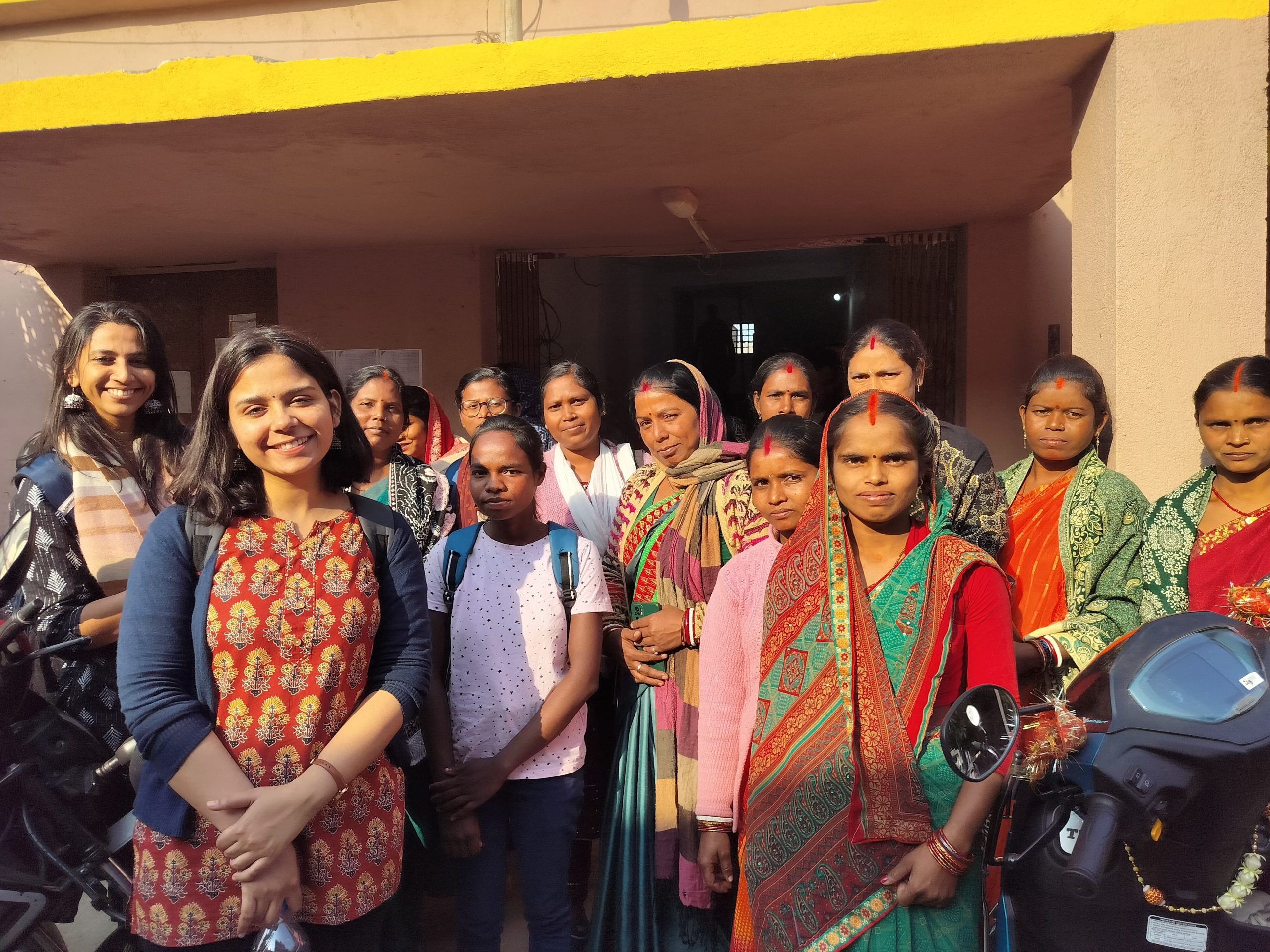
During my post-training field visits with the surveyors, it became immediately apparent why our study was crucial. While a significant number of households relied on coal for fuel, received utilities such as electricity and water from CCL, or had direct or indirect employment in the coal industry, the majority were unaware that a coal phase-down could be a real possibility. In regions near coal mines, there was some understanding that a phase-down could impact their livelihoods. People shared how workers and local businesses suffer when a coal mine closes. Workers are often forced to migrate, and enterprises face declining revenues. During our fieldwork, I also observed that despite being located within an 8-kilometer radius of coal mines, some villages did not receive free electricity or water from CCL. Even in light of the potential coal phase-down, many parents wanted their children to continue working in the coal sector. Migration emerged as a particularly sensitive topic, which was surrounded by various misconceptions. When we inquired whether the location was their ancestral home, many residents became wary, fearing that we were government officials planning to evacuate them. This concern was especially pronounced among those who had illegally occupied CCL homes, so they hesitated to participate in the survey. At certain locations, misinformation spread among the villagers, leading to the belief that our surveyors were engaging in fraudulent activities or were there to evacuate them. This fear caused many villagers to refuse participation in the survey despite our efforts to explain the study’s true purpose and dispel these concerns. We dealt with such matters by meeting the panchayat head of the village and showing the permission letter from the district officials to conduct the study.
However, the subject of coal phase-down itself was highly sensitive. Coal is not just an industry but a primary means of livelihood for local communities and, therefore, deeply embedded in their way of life. A potential coal phase-down represented a direct threat to their economic security. As a result, we approached questions about coal with sensitivity to ensure we did not imply that coal’s role in their lives was temporary or at risk to avoid causing unnecessary alarm. This exercise overall helped me understand the community’s fabric—their hopes, fears, and aspirations, all deeply intertwined with coal. I slowly started to understand how the community engages with the coal sector, and how the coal industry interacts with the community. For this, I interacted with locals to gain a clearer picture of how key players within the industry view the path forward, what do they think is possible and how much of academic discussions are translated on the field.
During a conversation with one of the local stakeholders I asked what can happen during a potential coal phase down and he responded “we have not been able to figure out how much energy transition would cost us. If, in the future, coal production or supply diminishes significantly, the economic structure of the region will be entirely changed. The established settlements in these areas will collapse. Coal is the sole power here, be it in politics or among industrialists. Coal is found in every market in this area. All of these things will change here, be it the political system or the cultural heritage.” The majority of dialogues directed towards a heavy socio-economic dependence on coal and coal-related industries. Despite the diversity of perspectives from these different stakeholders, each group, whether directly or indirectly connected to the coal ecosystem, heavily relied on the coal-driven economy.
While some stakeholders had limited awareness of the coal phase-down and its implications. On the other hand, other stakeholders like trade union workers and activists seemed to be deeply engaged with this issue for quite some time. Some had even taken part in Just Transition workshops held in Kanpur. Being aware of the ground reality, a crucial question was raised by one of the activists, “Every month, the ministers auction 10-12 mines. Every month. So, according to what the government committed to in the Glasgow meet, they are lagging in action. They are barely working in that direction. If the execution would be good, the mines would not have to be auctioned”. Another member added, “The government has no proper framework. While the activists know more, the general population does not have a lot of awareness. Therefore, we have now started COP, the Conference of Panchayat. Through this, we have been to various panchayats and spoken to their Mukhiyas about the effects of climate change and the process of transition. People understand the effect of climate change on labourers and farmers. So, we have been discussing and teaching these things in the Panchayats. The outcome so far has been really good.”. In another dialogue it was also mentioned that many people are involved in illegal mining. “A closure would lead to more illegal mining and crime. We hear reports of people dying in illegal mines.” Locals also confirmed the ‘1:20 ratio’, which means that for every employee who works in the coal ecosystem, almost twenty other people are directly dependent on that person. “ Every employee would have, on average, around five family members. That employee must also be buying ratio; people working in that ration shop count as well. Then, there are other stakeholders, like contractors, DOs, etc. 20 people are dependent on every employee. There are around 15,000 employees. That means around 3,00,000 people are directly dependent on the coal industry.” One of the Civil contractors of Bokaro mentioned the effect of the closure of mines, “there used to be Kargali Washery. After its closure, 75% of the shopkeepers in this area have become unemployed. One small industry affected so many people.” The informal coal workers also seemed to be affected by the coal mine closures as it leads to unemployment and mass migration. The discussions that I have had on the field revealed a diverse range of perspectives on alternative employment. There was also a strong emphasis on developing infrastructure and, perhaps most critically, mapping the existing skill sets within these communities to enable targeted training programs for new industries.
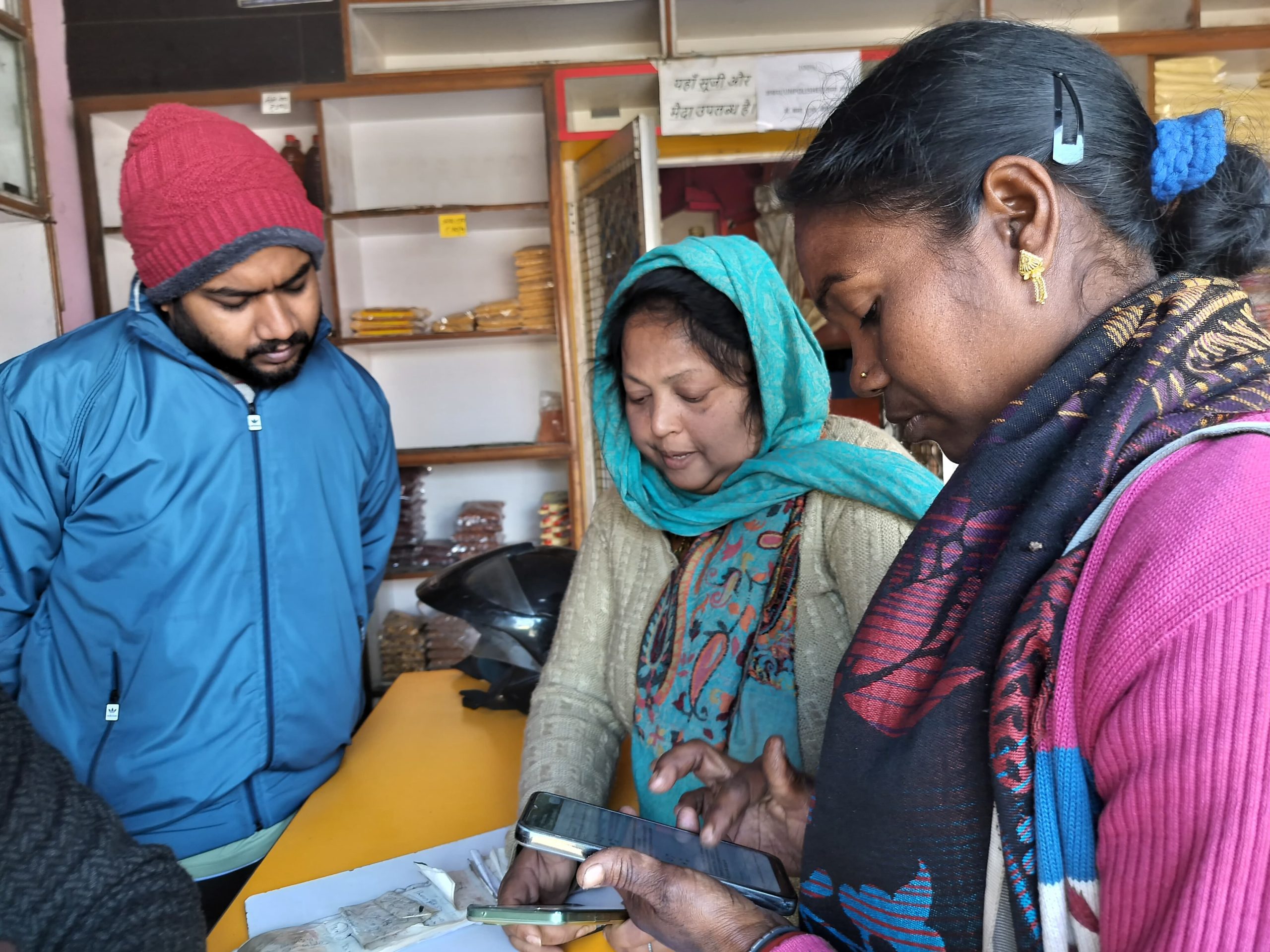
This field experience introduced me to a new term “induced economy,” which I wanted to understand better. During one of my visits in Ramgarh, I visited a market in a CCL colony, where a nearby mine had recently ceased operations. I spoke with local street vendors, sweet shop owners, and other small business owners. They described how the closure of the mine had severely affected their income. As one shop owner explained, “market ki raukan khatam hojati hai”—the market’s vibrancy disappears. Customers, mainly mine workers, leave the colony, and informal, contract-based workers follow, causing a significant economic downturn for the local businesses. In contrast, during periods when the mines are operational, especially around festive seasons, the market flourishes. Workers receive their arrears, and the local economy thrives. Business owners are able to invest in their families, sending their children to better schools and improving their overall quality of life. Therefore, it was quite obvious how important enterprises were, including the small ones, in stabilizing the local economy. However, when I tried to understand about the concerns of the businesses apart from mine closures they mentioned about slow bureaucratic processes, issues related to credit access, inadequate infrastructure—particularly frequent power shortages—and land-related permissions. These were common problems across the local businesses I talked with. However, one thing became very evident: there was optimism among the enterprises. Many expressed a desire to expand their operations or establish new businesses.
People largely seemed to agree that any effective transition must begin with thorough assessments of the socio-economic realities faced by those living near coal industries. A comprehensive transition plan, that is tailored to the specific needs and demographics of these communities, can help in ensuring that no one is left behind. Therefore, the emphasis should be on engaging local communities, raising awareness about the impending changes, and involving them in conversations about health, environmental impacts, and the broader concept of a just transition and why their economy should be focusing on diversifying right now. One of the most essential suggestions shared by one of local stakeholders was that “the government can start anything that can benefit our people. The only request is that it should not pollute our environment further. People here are already unhealthy due to the pollution.”
Reflections:
Throughout the course of my time on field, one recurring question I grappled with was whether coal could realistically be replaced in Jharkhand, particularly in the sectors we were considering. A deeper concern that lingered for me was the fate of the informal coal workers—those who resort to stealing and selling coal to sustain their livelihoods. While they may continue to do so for a while, the real question remains: why hasn’t the state developed a plan to transition these workers into formal, sustainable employment so they are no longer dependent on such risky and precarious activities? In discussions with officials, their response suggested that this activity helps reduce crime rates in the district. But isn’t this already a form of criminal activity? These workers are treated as criminals—they pay a fee to the local middleman and often face physical punishment or lose their cycles if caught. This begs the question: is this the state’s solution, to turn a blind eye rather than offer a path out of such conditions? Furthermore, there appears to be a lack of genuine urgency in developing a comprehensive transition plan away from coal. The increasing demand for coal production underscores this inertia. If you stand in a coal field, it is both exhilarating and anxiety-inducing. The same question echoes repeatedly: How will this transition happen? What will happen to this place and its people? Will the government truly take care of everything? This reflection is not just about the technicalities of coal phase-down, but about the lives tied to it, the futures at stake, and the uncertainty that looms large over these coal-dependent communities. It’s clear that without deliberate, well-planned intervention, the transition may leave more questions than answers, more dust than progress.