Thinking of Resilience
Deep within the rugged hills of Ayodhya in Purulia lies a world that often remains invisible to mainstream development narratives




Deep within the rugged hills of Ayodhya in Purulia lies a world that often remains invisible to mainstream development narratives
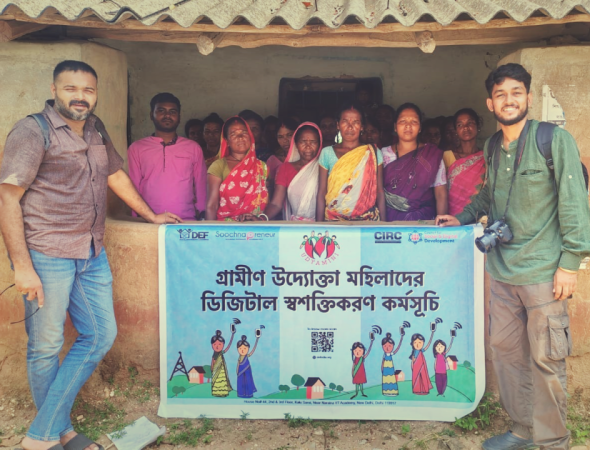
Deep within the rugged hills of Ayodhya in Purulia lies a world that often remains invisible to mainstream development narratives
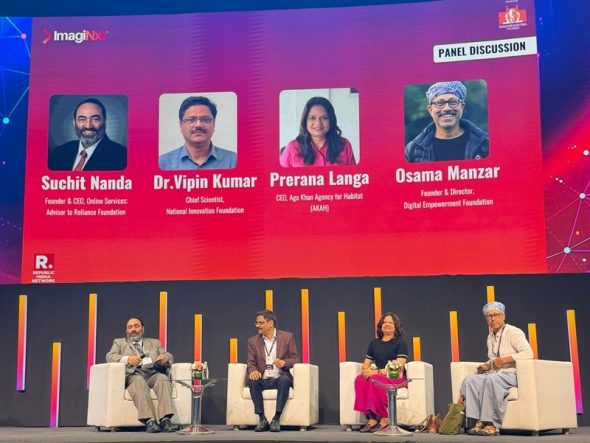
Last weekend, at the ImagiNxt summit in Mumbai, I sat in the audience listening to a panel discussion titled “The other India is already innovating” where DEF Founder-Director Osama Manzar, as one of the panellists, joined the conversation on grassroots innovation.

The Digital Empowerment Foundation (DEF) submitted a detailed civil society response to the United Nations Global Dialogue on AI Governance, emphasizing that AI governance frameworks must center the realities of the unconnected, underserved, and underrepresented communities of the Global South.
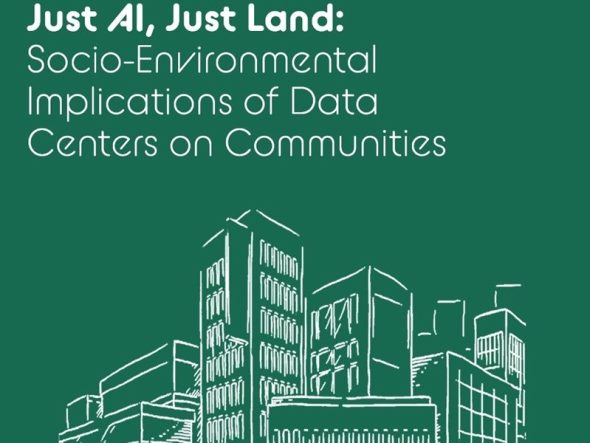
Data centers are central to India’s digital ambitions, but their impacts extend far beyond infrastructure. In Telangana’s peri-urban regions, communities are experiencing these changes through land loss, water stress, and shifting livelihoods.

The current debate around banning social media for children under 16 has been framed as a question of freedom. It is not. It is a question of how societies protect children in environments they do not fully understand or control.
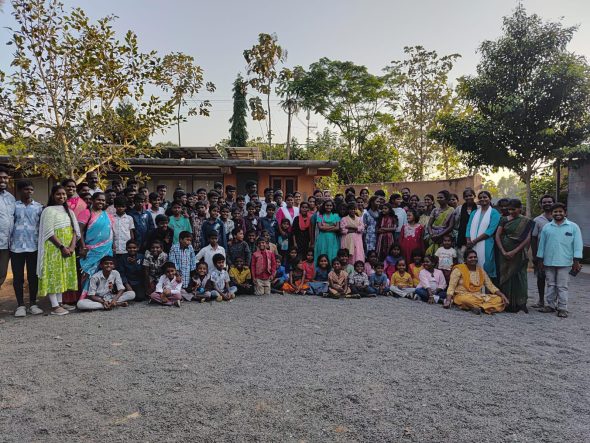
Museum of Digital Society | 5th March 2026
A group of 72 students from DGSEA (Duraisamy Generous Social Education Association), Chengalpattu District, Tamil Nadu, visited the Museum of Digital Society (MoDS) on 5th March 2026 as part of an educational tour. Accompanied by 17 teachers, the visit was jointly facilitated by DEF’s (Digital Empowerment Foundation)- MoDS Team and the teachers of DGSEA themselves. The tour revolved around three interconnected themes – E-waste Recycling – Media Information Literacy, and The Museum Tour – each designed to offer students a meaningful and hands-on learning experience.
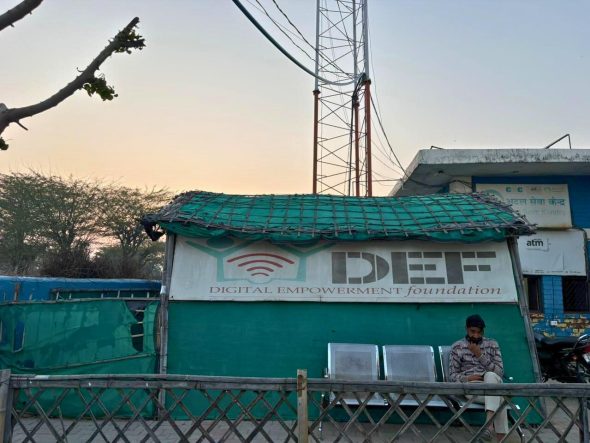
THE PARADOX OF DIGITAL PROGRESS
The 21st century’s digital revolution has created a profound paradox. While urban centers debate on artificial intelligence ethics, virtues, and algorithmic governance, rural geographies struggle with basic digital access. Urban populations navigate sophisticated digital ecosystems, yet millions in rural India encounter computers for the first time. This digital divide represents not merely a technological gap but a fundamental inequality in opportunity, information access, and participation.
This assessment documents initiatives by the Digital Empowerment Foundation (DEF) at Alwar district in Rajasthan and Nuh district in Haryana. These interventions systematically democratize digital access, emphasizing marginalized populations and women’s empowerment. Significantly, while contemporary discourse addresses digital literacy and gender-based digital divides, these communities simultaneously grapple with fundamental literacy challenges and entrenched
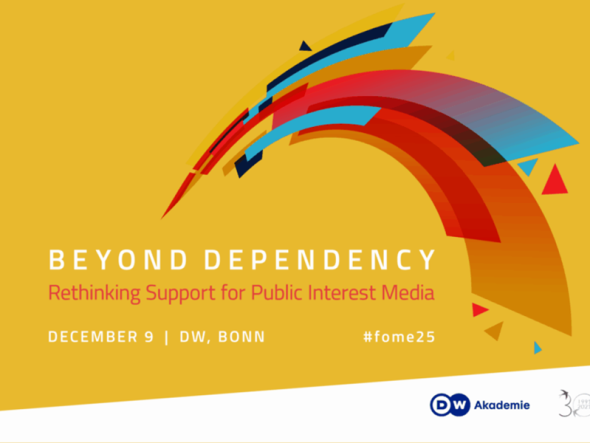
At the CDAC Public Forum combined with the fome Symposium, the session “AI in Crisis – What Next?” examined the social and ethical implications of artificial intelligence in humanitarian and crisis contexts. Within this, the breakout session “Inclusive AI: Languages, Literacy & Community Voice,” facilitated by Digital Empowerment Foundation, focused on a core concern: how AI systems intersect with linguistic diversity, social and digital divides, and community agency.
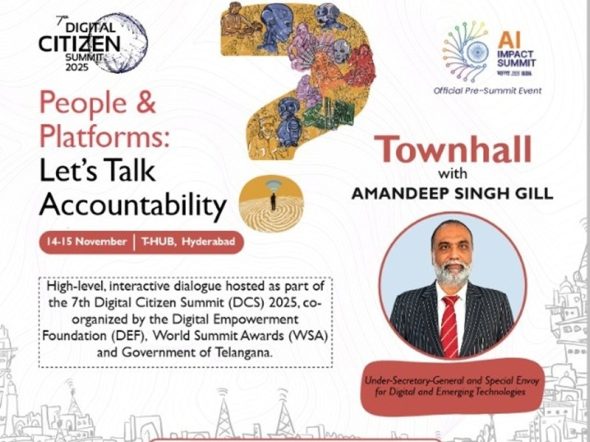
The Townhall with Mr. Amandeep Singh Gill, United Nations Under-Secretary-General and Special Envoy for Digital and Emerging Technologies, held at the 7th Digital Citizen Summit 2025 at T-Hub Hyderabad, focused on the theme “People & Platforms: Let’s Talk Accountability.”